

Securing a nationally recognised vocational training credential that fits around work hours is hindered when providers demand rigid campus attendance or restrict recognised prior learning pathways. Many training institutes either lack self-paced online options, only offer narrow qualification types, or leave experienced students repeating theoretical modules they have already mastered. This comparison sets out delivery modes, RPL availability, and sector focus so you can select a course provider that meets your schedule and career goals without unnecessary duplication or travel.
Table of Contents
- Canterbury Training and Development Institute
- Australian Operator Training
- Apex Training Institute
- Australian Training Institute (ATI)
- Open Colleges
- Career Development and Training PTY LTD
- Comparative Analysis: Vocational Training Providers
Canterbury Training and Development Institute
At a Glance
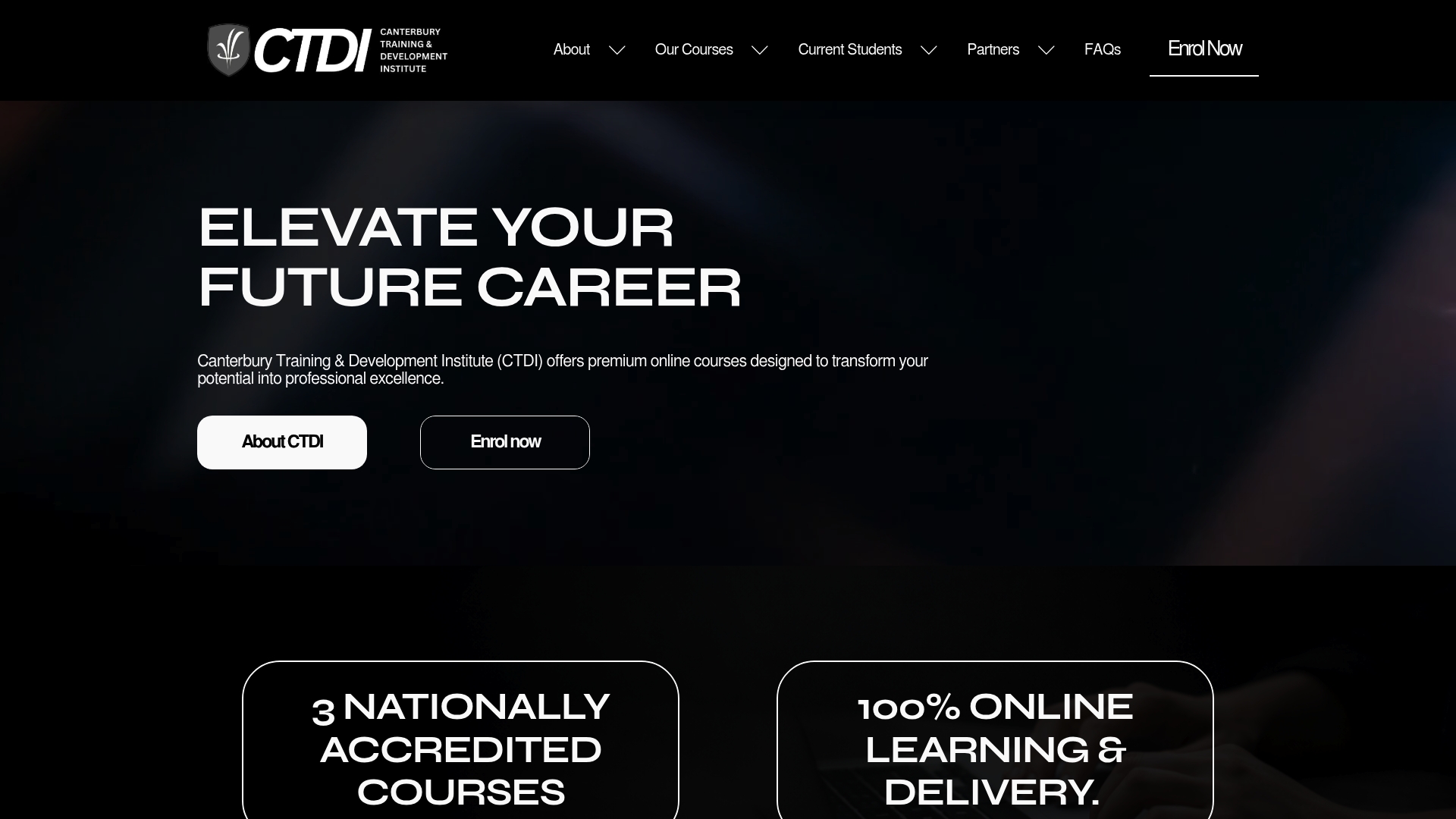
Founded in 2025, the Canterbury Training and Development Institute launched as an Australian Registered Training Organisation delivering 100% online vocational courses in AI, digital marketing and environmental management. It aims to attract domestic and international students seeking flexible, accredited pathways into employment.
Core Features
- 100% online delivery with self-paced units and an LMS for assessments and progress tracking.
- Industry-aligned curriculum across AI, digital marketing and environmental management, developed with input from practising employers and academics.
- Structured assessment and dedicated student support programs, including management portals for both learners and employers.
- Pathway-focused offerings intended to equip learners with practical skills for employment and further study.
Key Differentiator
CTDI’s central distinction is its combination of fully online delivery and courses developed with industry input while operating as an accredited RTO. That mix is aimed at learners who need recognised, job-relevant credentials without campus attendance.
Pros
-
Designed with industry input, the courses prioritise workplace tasks and assessment that map to employer expectations rather than abstract theory.
-
The flexible, self-paced format lets a working professional study around shifts and project deadlines; assessments are submitted through the LMS rather than fixed lecture schedules.
-
Being an accredited RTO gives employers a credential they can map to hiring or internal training policies.
-
Student support is explicit: management portals and support programs are part of the offer, which reduces administrative friction for learners and HR teams sponsoring staff training.
-
Partnerships with industry and academic institutions create clearer progression routes and potential recognition of prior learning for experienced candidates.
Cons
- Fully online delivery may not suit learners who require face-to-face workshops or hands-on industry placements for practical skills.
Who It's For
Learners who need nationally recognised vocational qualifications but cannot commit to on-campus study. That includes working professionals upskilling in AI or digital marketing, remote students, and employers seeking scalable online training for staff.
Unique Value Proposition
A registered RTO that launched with industry-developed diplomas in AI, digital marketing and environmental management changes how employers and learners treat the credential. For employers, it shortens the gap between course content and on-the-job capability. For learners, the credential is portable across Australian hiring contexts while allowing study around employment.
Real World Use Case
A software engineer studies the Diploma of Artificial Intelligence part time over about 12 months. They submit workplace-relevant assessments through the LMS, use student support for assessment clarifications, and apply new techniques immediately to an AI pilot at work, creating visible ROI for their employer.
Website: https://canterburytdi.edu.au
Australian Operator Training
At a Glance
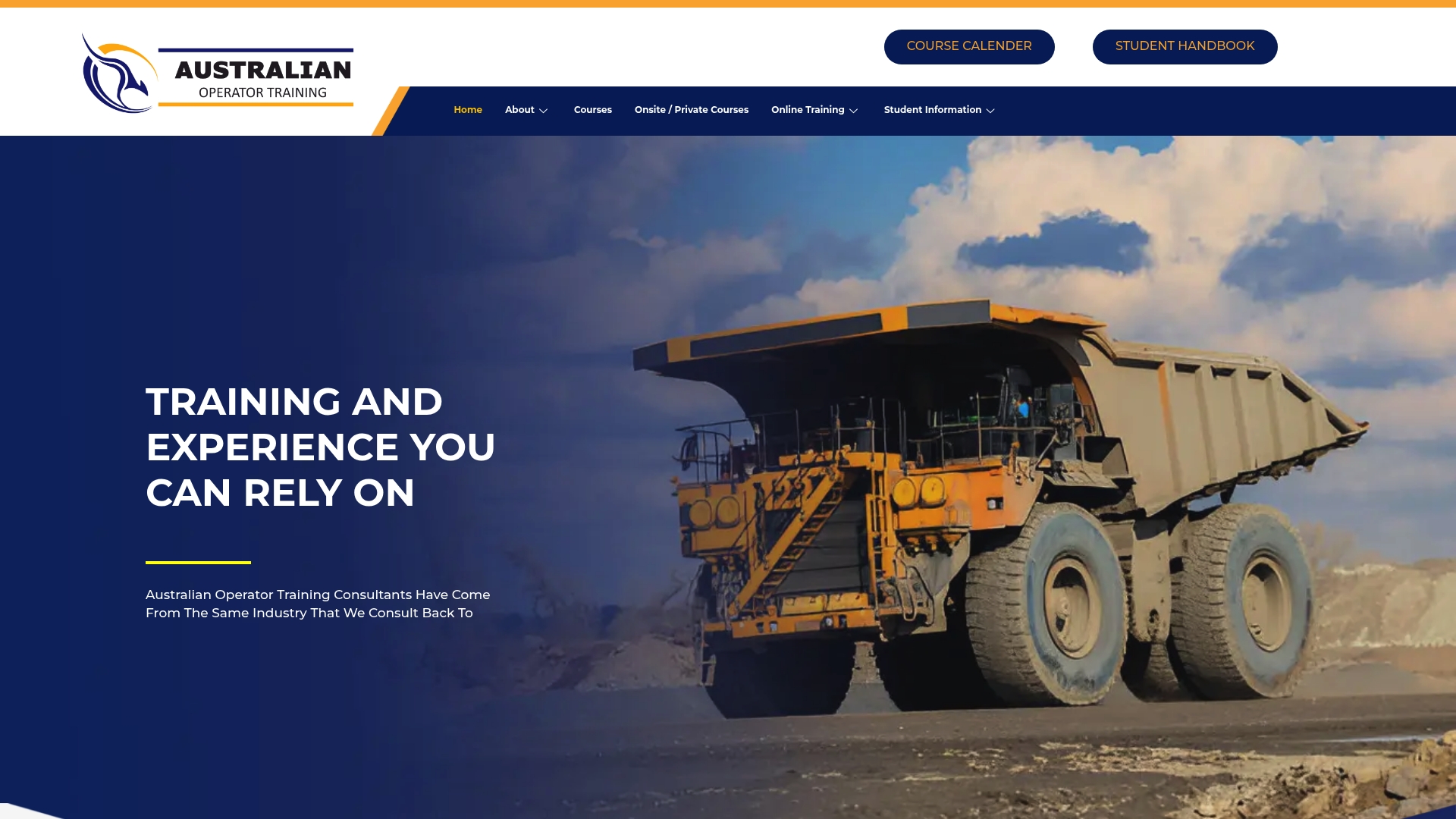
Public reviews report allegations of fraudulent billing and unresponsive support, a reputational red flag that sits alongside the organisation's formal status as RTO #41351 in Queensland. The provider offers high risk licencing and plant operator tickets with both face to face and online refresher options.
Core Features
- Nationally recognised training delivered under RTO #41351, covering health, safety and occupational skills for mining, civil, construction, manufacturing and agriculture.
- Online refresher courses for common compliance needs and expiry renewals.
- Tailored onsite and private courses where resources permit and client demand exists.
- Comprehensive student materials including enrolment forms, handbooks and learner support services.
Key Differentiator
The training centre pairs practical, safety-focused courses with an RTO credential that employers accept for compliance purposes. That stated advantage is tempered by the public review record above, which potential buyers need to weigh alongside course content and trainer experience.
Pros
-
Experienced trainers with industry backgrounds who can translate workplace scenarios into assessment tasks that employers will recognise.
-
Broad course catalogue that includes high risk licencing and plant operator tickets, useful for multisite contractors who need several ticket types.
-
Student resources are well organised on the site, so administrative tasks such as enrolment and accessing handbooks are straightforward when the portal is available.
-
Explicit policies on health, safety, quality and modern slavery compliance provide documentary reassurance for procurement reviewers and safety managers.
-
Delivery across Queensland with a primary base in Emerald makes the provider accessible for regional worksites.
Cons
-
Public reviews allege fraudulent billing and poor complaint handling, a serious concern for purchasers who need reliable post‑course administration.
-
Online access can suffer when demand spikes, with reports of resource limits that interrupt refresher completion on tight timelines.
-
Pricing information on some pages is inconsistent, which makes budgeting for cohort training harder without a direct quote.
When It May Not Fit
Organisations outside Queensland or teams that require guaranteed, 24/7 online access will find the service limiting. Buyers who need rock‑solid customer service and clear dispute resolution processes should treat the reported review issues as a disqualifier unless those concerns are resolved.
Who It's For
Employers and workers in Queensland needing recognised health and safety qualifications, particularly in mining, civil and construction. Best for buyers who value onsite, industry‑experienced trainers and who can tolerate some administrative friction.
Real World Use Case
A mining contractor in Queensland books refresher training for a crew of plant operators before a new site induction. Trainers deliver the refresher and issue renewal paperwork that matches regulator expectations, but the contractor schedules extra time for enrolment and post‑course admin because of reported service delays.
Website: https://aot.net.au
Apex Training Institute
At a Glance
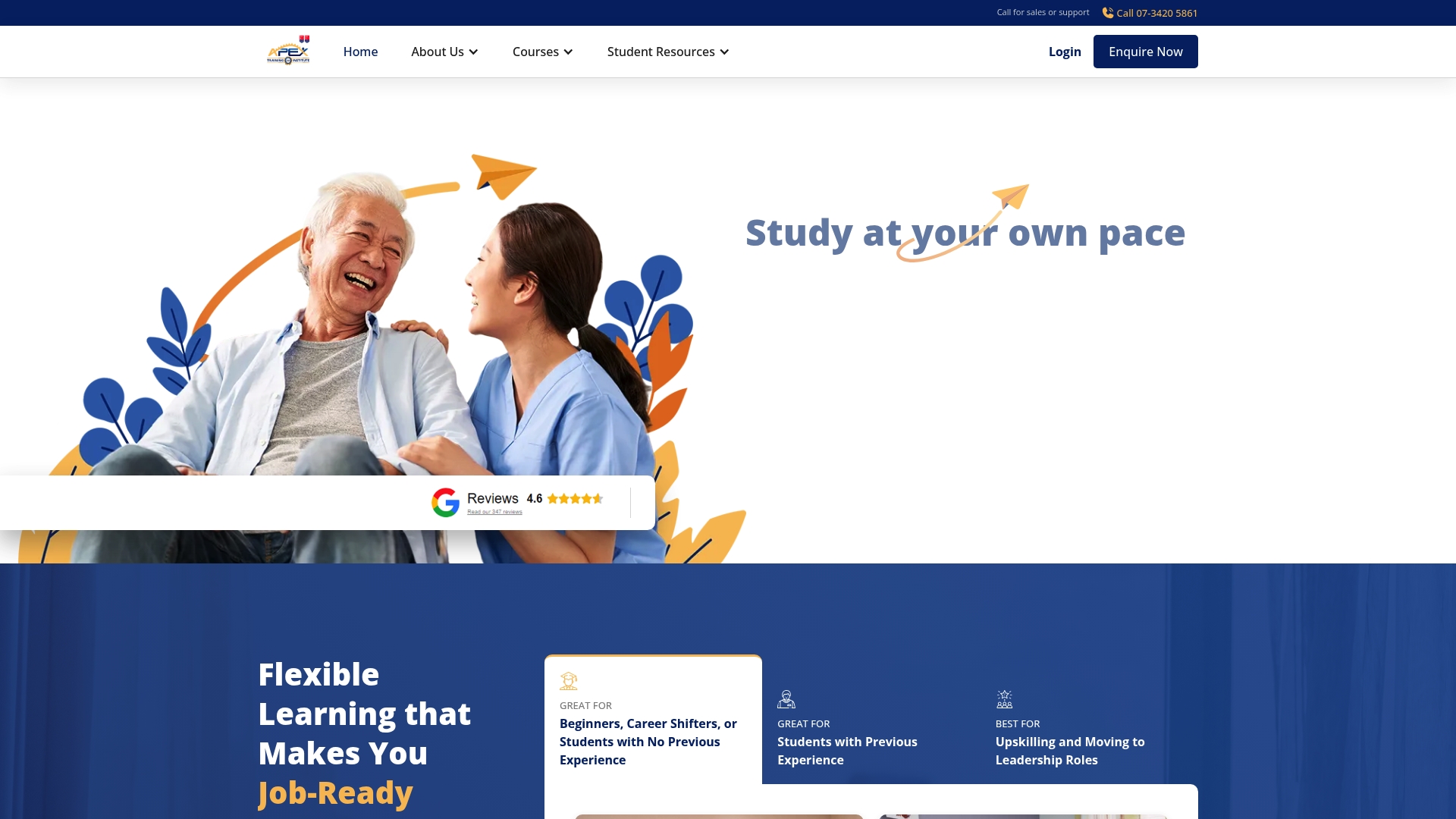
ASQA-registered provider that pairs self-paced online modules with integrated practical work placements for aged care, disability support and early childhood education. The model foregrounds hands-on competence supported by industry-expert trainers and multicultural student support.
Apex positions its delivery around workplace readiness rather than purely theory, so expect assessments mapped to real sector tasks.
Core Features
- Self-paced courses designed for flexibility with online modules that let you progress around work and family commitments.
- Practical work placements integrated into programs so assessment evidence includes supervised on-the-job experience and employer-relevant tasks.
- Industry-expert trainers with extensive experience who guide assessments and liaise with placement hosts.
- Verifiable, government-recognised qualifications that students can cite on resumes and check against national registers.
- Digital learning tools plus optional face-to-face workshops for skills that need hands-on practice.
Key Differentiator
Apex combines self-paced digital learning with compulsory industry placements and close trainer support to produce observable workplace skills. That mix makes it narrower in scope than broader online course platforms; it aims to create job-ready candidates for community care roles rather than deliver broad academic credit.
Pros
- Flexible delivery suits workers studying around shifts and family life, letting learners pause and resume without losing progress.
- Industry-recognised qualifications provide a clear pathway to employment in aged care, disability or early childhood settings.
- The strong emphasis on placements means graduates have employer-verified experience on their record, which helps with interviews and hiring decisions.
- Experienced trainers and industry partnerships support assessment authenticity and keep course content aligned to current workplace practices.
- The institute’s inclusive, multicultural approach supports learners from diverse backgrounds and frequently includes extra language or learning support.
Cons
- Limited publicly available third-party reviews make independent validation of learner outcomes harder to find.
- In-person placement or workshop components can create extra travel, time and cost obligations for some students.
- Online components demand sustained self-motivation and discipline; learners who need fixed cohorts and frequent deadlines may struggle.
When It May Not Fit
If you need purely campus-based training with structured daily classes, Apex’s self-paced mix will feel loose. If you require extensive independent verification of graduate outcomes, the sparse third-party reviews are a gap. Also budget for potential travel or placement expenses.
Who It's For
Working adults, career changers and students seeking vocational qualifications in community support sectors who need flexible study and workplace exposure. It fits people prioritising job-ready practical skills over purely theoretical coursework.
Real World Use Case
A student completes online theory for a Certificate III in Individual Support, undertakes supervised placement at a residential aged care facility and gains employer references. The combined credential and placement evidence supports a direct hire into a support worker role.
Pricing
Pricing is not published here; the entry is informational only. Students should contact the institute for fee details and available government-funded options or subsidies that may apply to eligible learners.
Website: https://apextraining.edu.au
Australian Training Institute (ATI)
At a Glance
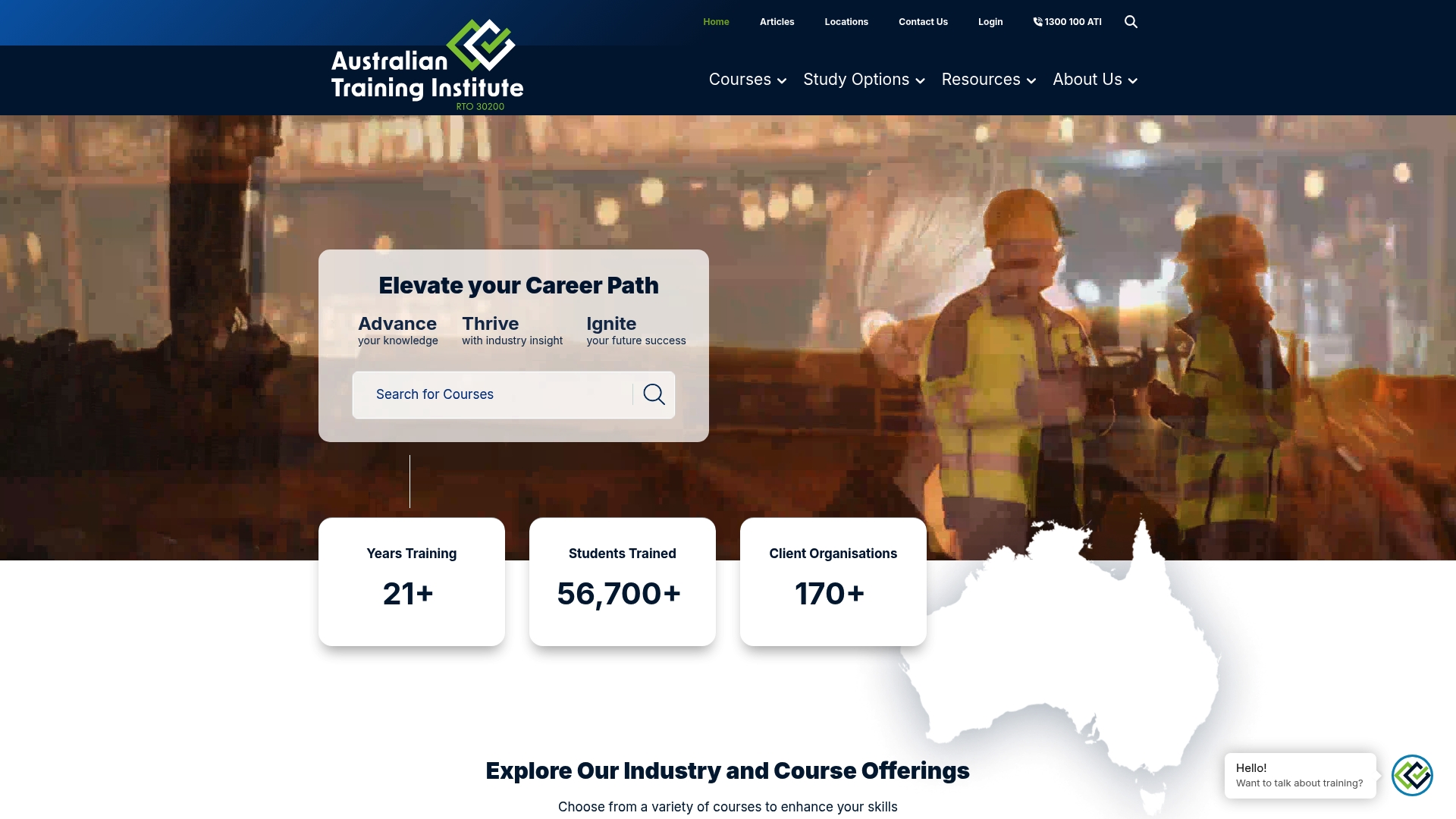
Some ATI courses start around $35 while diploma-level programs can exceed $1,700, and funding options are commonly available for eligible students. ATI was established in 1998 and positions itself as an industry-focused training provider that mixes online, face-to-face and self-paced delivery.
Core Features
ATI delivers a broad catalogue of vocational modules across security, First Aid, fire safety, construction, business and community services. The platform supports flexible delivery modes including online, blended, face-to-face and self-paced study.
Courses map to nationally recognised qualifications and include pathways for Recognition of Prior Learning to credit workplace experience. Trainers are industry-experienced and the institute advertises opportunities for funded training and payment plans.
Key Differentiator
ATI emphasises customised, industry-aligned course delivery supported by partnerships with employers and community organisations. That focus makes the offering practical for compliance and entry-level career moves rather than academic study or international student pathways.
Pros
- Regular curriculum updates keep content current with industry requirements, which helps if you need a course aligned to recent legislative or safety changes.
- Recognition of Prior Learning pathways reduce duplication for experienced professionals and speed time to qualification.
- Multiple delivery choices let you pick face-to-face days for practical skills or self-paced online modules if you juggle shift work.
- Affordable entry points and advertised funding options make short courses accessible to trainees and small businesses working to meet compliance.
- Trainers with industry backgrounds receive positive mentions in student feedback, which improves practical assessment quality.
Cons
- Several students report high costs for course materials in addition to tuition, which raises total outlay for some programs.
- Reported technical problems with online systems can interrupt learning and assessment submission for remote learners.
- Some students describe customer support as slow to respond, affecting enrolment and RPL queries.
- A number of course units are perceived as repetitive or basic when the learner already has sector experience.
When It May Not Fit
ATI is not CRICOS registered, so international students requiring CRICOS courses must look elsewhere. If you need a highly interactive online platform with sophisticated virtual classrooms, third-party reviews suggest ATI’s online features are limited and may not suit intensive remote cohorts.
Who It's For
Professionals, apprentices and employers in Australia seeking practical vocational qualifications for licensing, compliance or workforce upskilling will find ATI relevant. It suits learners who value flexible delivery and recognition of workplace experience.
Real World Use Case
A security officer completes a Certificate II in Security Operations via face-to-face classes to meet licensing requirements and gain hands-on practice. The RPL pathway later shortens a Certificate III when on-the-job evidence is accepted.
Pricing
Course prices vary by level: short online units from around $35, while diplomas and advanced qualifications can exceed $1,700. Funding schemes and discounts apply to eligible students and payment plans are offered for many programs.
Website: https://atiaustralia.edu.au
Open Colleges

At a Glance
Open Colleges' marketing materials claim over 125 years in education, a longevity angle the provider highlights to reassure prospective students. The offering centres on self-paced, no-exam online courses with nationally recognised accreditation and flexible payment options aimed at busy learners.
Core Features
- Self-paced online courses that remove fixed deadlines and allow study around work and family commitments.
- No exams for most qualifications, replacing formal tests with assessment activities and practical tasks.
- Nationally recognised accreditation across business, health, community services, design and technology courses.
- Flexible payment arrangements including upfront and instalment plans, plus trainer support through the online portal.
Key Differentiator
Open Colleges focuses on removing timetable pressure by pairing self-paced delivery with assessment that avoids traditional exams. That combination is pitched at learners who need predictable time commitments rather than high-stakes testing, and it is backed by the provider's stated long history.
Pros
- Flexible study model suits people juggling paid work and caring responsibilities; course modules are short and modular so you can pause and return without penalty.
- Course catalogue covers common vocational areas where employers hire from accredited diplomas, making it easier to aim for practical job-ready skills.
- The absence of formal exams reduces stress for learners who perform better with project and assignment-based assessment.
- Multiple payment options lower the upfront barrier for people who cannot pay tuition in one lump sum.
- Many students praise the trainers for being accessible and helpful when questions arise during assessments; that support softens the learning curve for first-time online learners.
Cons
- The online learning portal is reported by some students as clunky, with occasional navigation friction and slow load times.
- Support responses can be delayed at peak intake periods, which extends wait times for assignment feedback or administrative queries.
- Several learners feel there are excessive role-play activities and templates that add busywork rather than practical skill development.
- Perceived prestige of some courses varies by industry, so employers in certain sectors may favour alternative credentials.
When It May Not Fit
If you need a highly polished learning management system with rapid technical support, this is probably not the right match. Likewise, if you require exam-based assessment for pathways to specific professional registrations, the no-exam model will conflict with that requirement. Employers who prioritise highly selective institutional brands may not value every diploma equally.
Who It's For
Working professionals, parents and carers who need study that adapts to irregular schedules will find the model appealing. Learners seeking nationally recognised vocational accreditation without the pressure of timed exams are the primary audience. It also suits people testing a new career direction before committing to full-time study.
Real World Use Case
A parent working part time completes a diploma in leadership by studying in 60 to 90 minute blocks after the children are asleep, using instalment payments to spread cost. Trainer feedback on assignments helps refine real workplace examples they submit for assessment.
Website: https://opencolleges.edu.au
Career Development and Training PTY LTD
At a Glance
Based in central Sydney, the college pairs classroom sessions with Moodle-based online study and formal recognition of prior learning pathways so students can convert workplace experience into nationally recognised credentials.
The campus focus and RPL emphasis make it practical for mature learners balancing work and study.
Core Features
Offers a range of AQF-aligned courses from certificates to advanced diplomas in business, management, HR and project management.
Delivery mixes face-to-face workshops with online learning through Moodle and includes Recognition of Prior Learning assessments and enrolment support.
There are student services such as instalment payment options and guidance materials delivered by qualified trainers meeting AQF standards.
Key Differentiator
The most distinct element is the blend of on-campus delivery in Sydney CBD with formal RPL pathways that target working professionals seeking credit for experience.
That configuration positions the college for students who need scheduled classroom practice alongside flexible online modules rather than fully remote-only study.
Pros
-
Convenient central Sydney campus and modern facilities support scheduled skills workshops and networking opportunities for local students.
-
ASQA accreditation and AQF alignment give courses formal recognition across Australia which helps when employers verify qualifications.
-
Flexible learning arrangements include distance, blended and classroom options so you can match study to your work roster.
-
Support for older workers and tailored workshops make upskilling accessible for those returning to study or changing careers.
-
Clear RPL pathways let experienced professionals reduce time to qualification by leveraging prior experience.
Cons
-
Limited third-party review volume makes it hard to generalise about student satisfaction beyond the available testimonials.
-
Some reports suggest inconsistent administrative efficiency and mixed experiences with student support services.
-
A small number of internal-management complaints have been raised publicly which prospective students should weigh against accreditation status.
When It May Not Fit
If you need an entirely remote or self-paced provider with large national brand recognition, this college may feel too campus-centred.
Affordability depends on individual finances and government fee arrangements so budget-conscious applicants should compare support options before enrolling.
Who It's For
Domestic students and working professionals in Sydney who want nationally recognised business and leadership qualifications while keeping classroom contact for practical workshops.
Also suitable for employers seeking tailored corporate training in HR and leadership delivered partly on site.
Real World Use Case
A mid-level administrator uses RPL to convert five years of office management experience into credits for a Certificate IV in Business, studies blended online modules on weekdays and attends a fortnightly workshop downtown.
That pathway shortens course duration and lets the learner keep full-time employment while gaining an AQF credential valued by local employers.
Website: https://cd.edu.au
Comparative Analysis: Vocational Training Providers
Understanding the unique offerings of various vocational training institutions can guide prospective learners towards making informed choices to match their career and educational goals.
Delivery Methods and Flexibility
When assessing training options, delivery methods play a crucial role. Canterbury Training and Development Institute (CTDI) stands out with its 100% online, self-paced programs, making it the most adaptable for professionals balancing work and education. Apex Training Institute offers a combination of self-paced learning with mandatory in-person placements, which provides job-ready practical skills but may not align with learners seeking entirely remote education. Finally, Australian Training Institute (ATI) features diverse delivery modes, including face-to-face and blended learning, catering to those requiring structured hands-on training.
Industry Relevance and Skill Application
The connection between training outcomes and industry relevance ensures that learners are equipped with practical skills. CTDI’s industry-aligned curriculum, developed with current employer input, delivers programs optimised for immediate workplace applicability. Meanwhile, Open Colleges focuses on accessibility with no-exam certifications, targeting busy adult learners seeking to upgrade their qualifications without succumbing to examination stress. Conversely, Career Development and Training PTY LTD emphasises face-to-face workshops in Sydney’s CBD, creating networking opportunities and supporting immediate hands-on skill applications.
Best Fit
- CTDI is specifically suitable for those prioritising entirely remote and self-paced learning in AI, digital marketing, or environmental management.
- Apex Training Institute is ideal for learners entering community-support fields and those valuing hands-on industry placements.
- Open Colleges works well for parents and carers needing flexible, no-exams qualifications.
- Career Development and Training highlights practical workshops and Sydney-based networking for professionals in business and project management.
Our Pick
For working professionals and students seeking nationally recognised vocational qualifications without on-campus attendance, Canterbury Training and Development Institute emerges as a leading choice. Its combination of fully online delivery, accreditation, and employer-informed course content meets the needs of a diverse student base. However, learners desiring compulsory in-person training or Sydney-centric workshops should instead consider institutions like Apex or Career Development and Training.
Vocational Training Courses Comparison
This comparison highlights key differentiators in vocational education programs to help determine the best options for diverse learning needs and outcomes.
| Institution | Primary Focus Areas | Delivery Mode | Best For | Limitation |
|---|---|---|---|---|
| Edu | AI, Digital Marketing, Environmental Management | 100% Online, Self-paced | Professional learners balancing work and study | Lacks hands-on workshops |
| Australian Operator Training | Safety and Compliance Certifications | Online Refreshers, Onsite | Employers in Queensland | Reported service and administrative concerns |
| Apex Training Institute | Aged Care, Disability Support, Education | Online Modules, Practical Placements | Career changers prioritising workplace skills | Placement and workshop components may add extra costs |
| Australian Training Institute | Security, First Aid, Business | Online, Self-paced, Face-to-face | Professionals upskilling for compliance and licensing | Reports of high material costs and limited online features |
| Open Colleges | Business, Health, Community Services | Self-paced Online | Parents and carers needing flexible schedules | Online learning platform may be unintuitive |
Discover Flexible Alternatives with Edu for Career-Focused Online Learning
If you have been exploring cdi.edu.au alternatives, Edu offers a strong choice specifically designed for learners who need nationally recognised, industry-aligned vocational courses delivered fully online. Its self-paced format supports busy professionals balancing work and study while providing access to career pathways in fields like AI, digital marketing and environmental management. Edu understands that practical skills and formal credentials matter for employment outcomes.
Why choose Edu?
- 100% online with flexible progress options
- Courses built with employer input for real job readiness
- Dedicated student support to remove administrative hassle
Explore Edu's nationally recognised training Learn why Edu stands out and take the step to submit assessments through an intuitive learning portal. Visit the site today and see how quickly you can join courses that fit your schedule and boost your career prospects.
Frequently Asked Questions
How does Edu's online delivery format support working professionals?
Edu provides 100% online delivery with self-paced units, which is ideal for working professionals. This feature allows learners to study around their work commitments and submit assessments through an LMS rather than adhering to fixed lecture schedules. You can manage your study effectively without conflicting with job obligations.
What is the difference between Apex Training Institute and Edu regarding practical work placements?
Apex Training Institute integrates practical work placements into its courses, which help students gain hands-on experience. In contrast, Edu focuses primarily on theoretical knowledge complemented by assessment submissions that do not require physical attendance. This difference may affect students seeking direct hands-on training in their vocational fields.
Can I obtain nationally recognised qualifications through Edu?
Yes, Edu offers nationally recognised vocational qualifications that students can use across Australia. The offerings are aligned with industry standards, making the credentials valuable for job applications and career advancement. Expect to leverage these recognitions directly in your employment search.
Does Apex Training Institute offer flexible course delivery like Edu?
While Apex Training Institute provides a self-paced learning model, its emphasis on practical placements can result in additional scheduling for in-person attendance. Edu's fully online format allows for complete flexibility, making it a better fit for those prioritising a self-directed study schedule without physical commitments.
How does Recognition of Prior Learning work at Edu compared to other providers?
Edu supports pathways for Recognition of Prior Learning, enabling learners to gain credits for existing skills and experience. This feature aligns with similar offerings at competitor institutions, allowing for a potentially quicker route to qualification. If you're experienced in your field, this can significantly reduce time and cost involved in earning a qualification.