
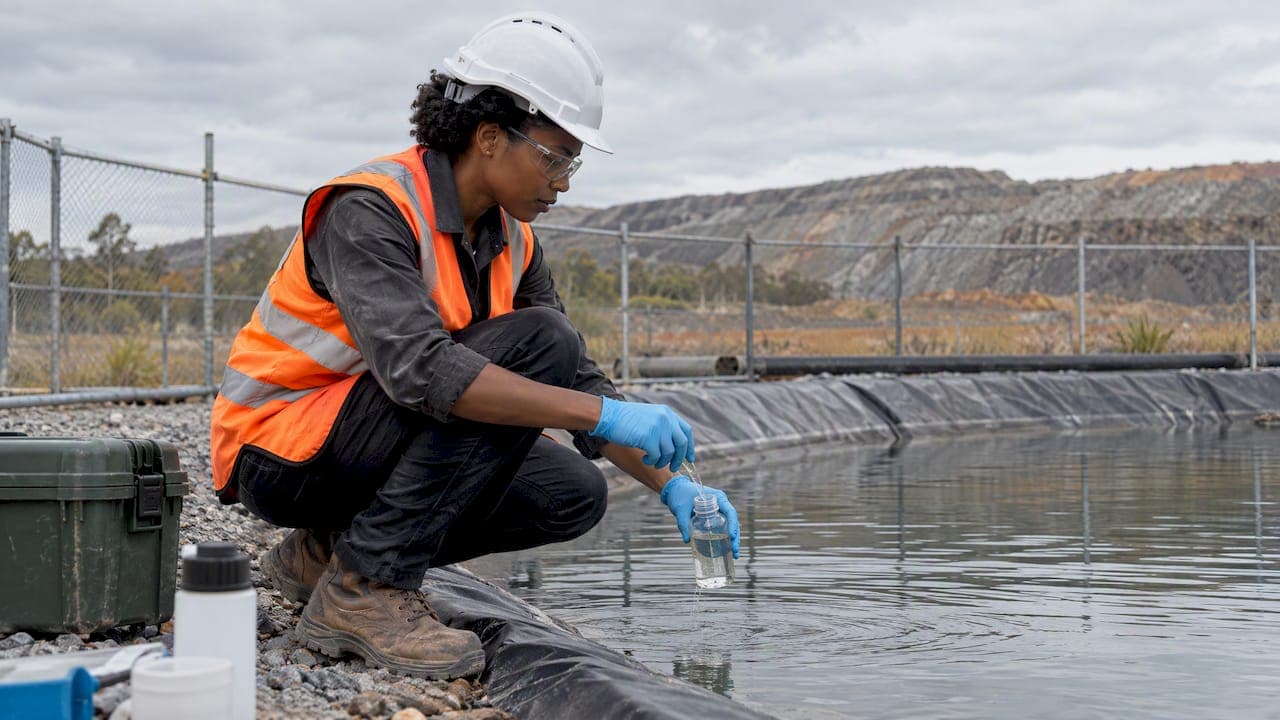
Junior sustainability jobs in Australia sit in environmental consulting, ESG reporting, building design, waste and infrastructure, and clean energy. Most are advertised as graduate, analyst, officer or coordinator roles, and many accept little or no direct experience if you can show relevant study, clear writing and comfort with data. This guide covers what these roles involve day to day, what employers actually list, what they tend to pay, and how to build a credible application, whether you are finishing study or changing careers.
Table of Contents
- What junior sustainability roles actually involve
- Role types at a glance
- What employers ask for
- Can you get in with no experience?
- Where the jobs are
- What junior roles pay
- Demand and outlook
- Study pathways that support a junior application
- A practical way to start
- Applying with confidence
- FAQ
- Sources
What junior sustainability roles actually involve
"Sustainability" is a label, not a single job. The same word covers someone collecting emissions data in an office and someone taking water samples on a mine site. Current employer postings show the spread.
Environmental consulting and impact assessment
Consultancies hire juniors to support approvals for mining, infrastructure and renewable energy projects. One Perth graduate or junior impact assessment consultant role at Ramboll accepts 0 to 3 years of experience. The work includes field investigations, environmental monitoring, technical data analysis and visualisation, drafting management plans and preparing regulatory-approval documents, plus practical advice to clients.
Graduate programs in industry
Larger operators run structured rotations. Nacap's Environmental Graduate program runs for 18 months across three six-month rotations. The first covers environmental and approvals work, including environmental management system implementation, compliance tracking and reporting. The next moves to site-based fieldwork, inspections and day-to-day environmental management, with a pathway toward Environmental Advisor roles.

Cleanaway's graduate program offers up to two years of rotations, formal learning, mentoring and a project tied to the company's business goals. It spans technical sites and corporate functions and lists graduates in engineering, environmental science, commerce, technology and data analytics as likely candidates. That mix matters: sustainability teams do not only hire environmental scientists.
ESG and sustainability analysis
If you prefer data and reporting to fieldwork, look at analyst roles. Navitas advertised an entry-level ESG and sustainability analyst role in Perth. Its duties include collecting and validating ESG data, maintaining Scope 1 to 3 greenhouse gas inventories, supporting sustainability, emissions and modern slavery reporting, tracking KPIs, and working with procurement, finance, legal, HR and IT teams. If this is your lane, our explainer on ESG versus sustainability and the AASB S2 skills employers want is a useful next read.
Building and property sustainability
In Sydney, Efficient Living's graduate sustainability consultant listing describes supporting senior consultants on building assessments and certifications such as Green Star, NABERS, WELL and Passive House. It also covers net-zero strategies, NatHERS, NCC energy-efficiency compliance, BASIX, daylight analysis and solar-access studies. It is technical, rule-heavy work, and it rewards people who like standards and modelling.

Other entry points
SEEK's entry-level sustainability listings show further pathways: water and sewer environmental monitoring, conservation project coordination, sustainability engineering, EV-charging grants administration, and sustainability or community officer roles. Not-for-profit and public-interest employers also advertise junior campaign, policy and communications work, so check those boards if your interest is advocacy rather than corporate reporting.
Role types at a glance
| Pathway | Typical junior title | Day-to-day focus | Suits you if |
|---|---|---|---|
| Environmental consulting | Graduate or junior consultant | Field data, monitoring, approvals documents | You like site work and writing reports |
| Industry graduate program | Environmental graduate | Compliance, inspections, rotations | You want structure and mentoring |
| ESG and reporting | Sustainability or ESG analyst | Emissions inventories, dashboards, disclosure | You are comfortable with spreadsheets and detail |
| Building and property | Graduate ESD consultant | Rating tools, energy compliance, modelling | You enjoy standards and technical assessment |
| Community and conservation | Project or community officer | Coordination, engagement, grants | You work well with people and budgets |
What employers ask for
Read enough postings and a pattern appears. Degrees are common for graduate programs, but they are not the only thing employers weigh.
Qualifications. Nacap seeks applicants with a degree in environmental science, environmental engineering or a related discipline. It treats prior environmental management exposure as a bonus, not a requirement, and lists 0 to 1 years of experience (Nacap listing). Cleanaway's lists of likely graduate backgrounds show how broad the door is.
Communication. Nearly every posting above involves reports, plans, regulatory documents or stakeholder liaison. Treat writing as a core technical skill, and show it: a clear one-page summary of a project you did is worth more than a vague claim.
Data skills. Emissions inventories, monitoring results and KPI dashboards all mean spreadsheets at minimum. Familiarity with reporting concepts such as Scope 1, 2 and 3 emissions helps you speak the same language as the hiring team.
Breadth beyond science. The Clean Energy Council notes that clean energy also needs expertise in legislation, finance, management, safety, planning and logistics. If your background is in one of those, you may be closer to a sustainability role than you think.
Can you get in with no experience?
Sometimes, yes, but "no experience" rarely means "no evidence". Employers want proof you can do parts of the job. Here is how people close that gap.
- Reuse what you already have. The Clean Energy Council reports LinkedIn data showing talent moving into and out of renewable energy roles from fields including mining, public safety, investment management and health. Safety, compliance, procurement, finance and project coordination all translate.
- Build a small portfolio. Pick a topic and produce something real: a basic carbon footprint for a workplace or community group, a summary of a council's climate plan, or a short compliance checklist. Keep it to a page or two each.
- Volunteer or take short placements. Landcare groups, conservation projects and community energy organisations need hands and often give references.
- Complete a recognised qualification. Study gives you vocabulary, frameworks and a credential to point to. It does not replace experience, and no course guarantees an interview or an offer.
- Apply to the right level. Titles such as graduate, trainee, assistant, officer and analyst are where employers expect to train. "Manager" and "lead" roles are not.
Mature-age workers are part of this picture. The Australian Government's National Skills Plan 2025-26 update says workers from carbon-intensive industries have highly transferable skills and should be a focus of reskilling for the net zero transition. If you are changing careers, our guide for career changers choosing one of five sustainability lanes helps you narrow the field before you apply.
Where the jobs are
Big-city boards carry the most listings. Sydney, Melbourne, Perth and Adelaide all show large volumes of sustainability roles on the major job sites, and Perth's mix leans toward resources, environmental monitoring and consulting.
Regional Australia deserves a look too. Jobs and Skills Australia's analysis of the clean energy transformation shows many regions, including Northern and Southern NSW, Eastern Victoria and the Northern Territory, likely to have average annual employment growth close to 2% from 2023 to 2030 under its central scenario. Preliminary modelling in the same report suggests regional growth is likely to exceed metropolitan growth, reflecting renewable energy projects and related construction. Those are projections, not hiring promises, but they are a sound reason to consider regional or fly-in roles early in your career, when relocation is easiest.
Industries that hire juniors in volume include:
- environmental and engineering consultancies
- mining, construction and infrastructure contractors
- waste and resource recovery companies
- property developers and building consultancies
- universities, education providers and large corporates with reporting duties
- government agencies and not-for-profits
What junior roles pay
Advertised salary bands vary by city, employer and whether the role is field-based or office-based. As one reference point, Glassdoor estimates an average base of AUD 70,000 for a graduate sustainability consultant, with a likely range of AUD 65,000 to 76,000 a year. That estimate rests on 18 anonymously submitted salaries, so treat it as a guide rather than a benchmark. Check the band on each posting, and compare it with the awards or enterprise agreements that apply if you are moving from another industry.
Demand and outlook
Jobs and Skills Australia lists Net Zero, including sustainability and clean energy, as an emerging roles theme. The National Skills Plan also calls for a more joined-up tertiary system and timely training capacity in priority sectors, including for the net zero workforce, according to the same Jobs and Skills Australia roadmap.
That signals direction, not a guarantee. Graduate programs are competitive, and many recruit a year or more ahead of the start date, so check each employer's careers page for the current intake window. Roles also shift with project pipelines and company reporting obligations, which is why broad skills (data, writing, regulatory awareness) hold their value better than a narrow specialty.
Study pathways that support a junior application
There is no single required route. The Clean Energy Council says clean energy careers draw on many disciplines, with university degrees and VET qualifications among the pathways, and it describes engineering, business and project management degrees as versatile across the industry.
What matters is understanding what you are choosing between:
- Nationally recognised VET qualifications (certificates, diplomas) sit on the Australian Qualifications Framework and are issued by registered training organisations.
- Short courses and certifications from industry bodies or vendors can be useful, but they are not the same thing as an accredited qualification.
- University degrees suit graduate programs that list a degree as a requirement.
Our comparison of sustainability qualifications across AQF levels sets these side by side, and the VET checklist for environmental management careers shows what to verify before you enrol. Outcomes such as university admission, credit or recognition of prior learning depend on the receiving institution, so confirm those with them directly.
A practical way to start
If a degree-based graduate program is not your route, a nationally recognised qualification can give you structured knowledge in environmental management while you keep working. Our Certificate IV in Environment Sustainable Management is delivered fully online and self-paced, so you can study around a job. It is built to develop practical skills in areas such as environmental management practice and sustainability in the workplace, and it can support a move toward officer, coordinator or assistant roles. It does not guarantee employment or any particular pathway into further study.
If you want to see the course details and next steps, start on the course page, or go straight to enrolment. Fees are confirmed during enrolment, so ask for the current amount before you commit.
Applying with confidence
A few habits make junior applications stronger:
- Mirror the posting. If it mentions Scope 1 to 3 emissions, NCC compliance or management plans, show where you have met those ideas.
- Lead with outputs. "Prepared a 12-page monitoring summary" beats "strong report-writing skills".
- Name the standards. Referencing tools and frameworks the employer uses signals you did your homework.
- Apply to several lanes. Consulting, industry, reporting and property teams all hire juniors. Narrowing to one title halves your options.
- Keep learning visible. A short list of completed units, projects and volunteering shows momentum.
For a longer list of capabilities to work on, see our guide to sustainability skills for career growth.
FAQ
Do I need a degree to get a junior sustainability job?
Not always. Graduate programs such as Nacap's list a degree in environmental science, engineering or a related field, but officer, coordinator and technician roles often weigh practical skills and relevant study. Check each posting's essential criteria rather than assuming.
What is the easiest sustainability job to get into?
There is no reliably easy one, but roles built around training, such as graduate rotations, field technician and community officer positions, expect less prior experience. Your best odds usually come from the lane that matches your existing skills, whether that is data, compliance or project coordination.
Can a career changer move into sustainability without starting from scratch?
Often, yes. Skills from mining, safety, finance, health and project management transfer, and government workforce planning explicitly recognises mature-age workers from carbon-intensive industries. Add a recognised qualification or a small portfolio so employers can see how your background applies.
Is an online qualification enough?
A nationally recognised online qualification can show structured learning and commitment, particularly alongside work experience. It is one part of an application, and employers still look at your examples, communication and fit for the role.
Sources
- Graduate / Junior Consultant, Impact Assessment at Ramboll
- Environmental Graduate, Nacap (Quanta Services Australia)
- Cleanaway Graduate Program
- ESG and Sustainability Analyst, Navitas
- ESD Graduate Sustainability Consultant, Efficient Living
- Sustainability Entry Level Jobs, SEEK
- Clean Energy Careers Guide, Clean Energy Council
- National Skills Plan 2025-26 Update, DEWR
- Meeting the needs of the clean energy transformation, Jobs and Skills Australia
- Emerging Roles, Jobs and Skills Australia
- Graduate Sustainability Consultant salary, Glassdoor
Recommended
- Career changers in Australia: Pick one of five sustainability lanes
- 13% Pay Premium: 10 Sustainability Skills Australian Professionals Need
- Sustainability Qualifications in Australia: AQF Levels Compared
- The fastest routes to accredited green skills training in Australia
This article provides general information only. Course requirements, study pathways, credit arrangements and career outcomes may vary. Always confirm current requirements with the relevant education provider or authority.